

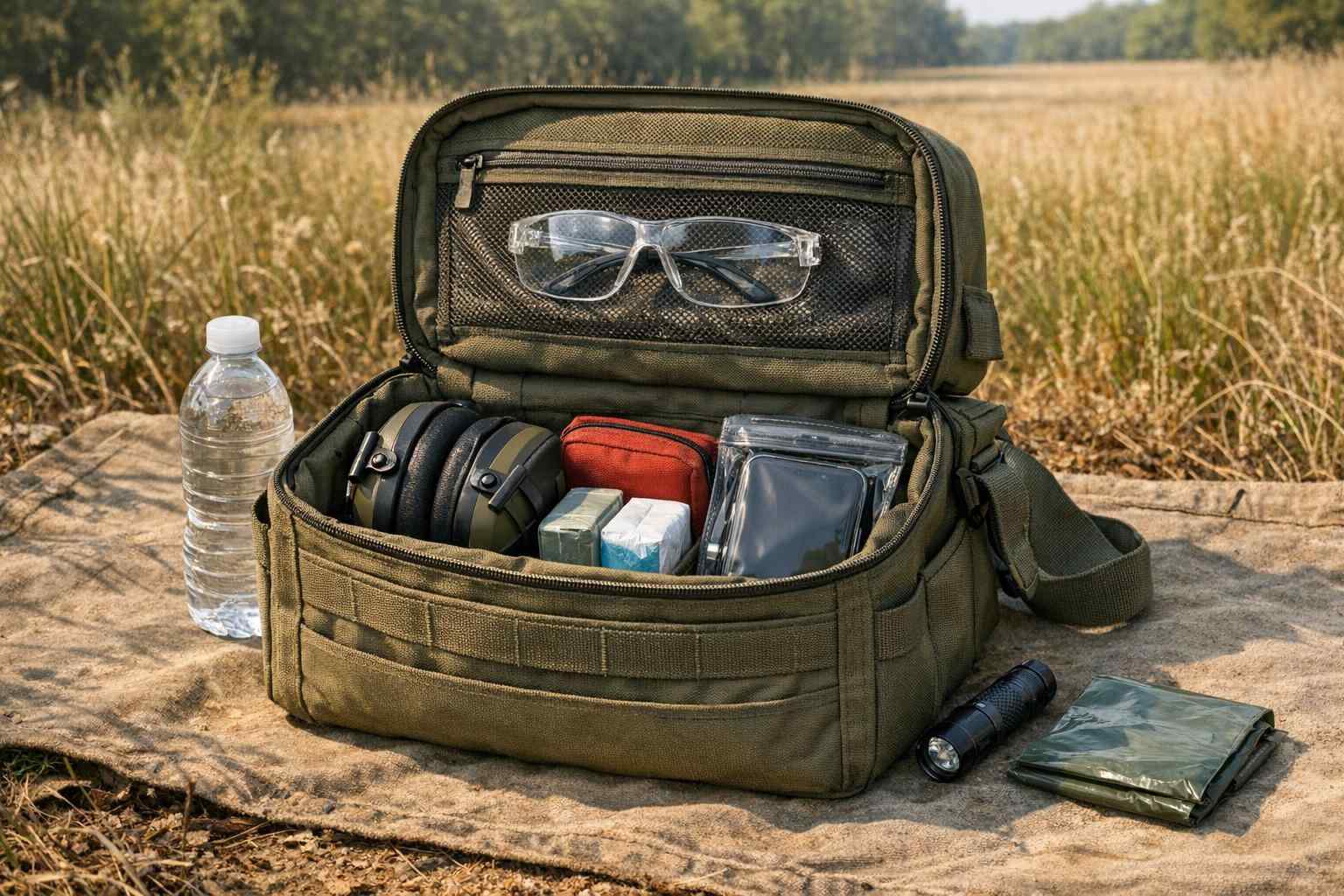
A small seat bag can be very useful in solving small problems that may become bigger issues before you know it. But do not pack your entire arsenal of gear for the hunt. Instead, pack a small amount of gear for comfort, safe carry, field care and other unforeseen circumstances. Organize the gear in your seat bag by the amount of problems they can solve for you, starting with the most. Items that can solve many problems for you should be packed first, followed by gear that can solve fewer problems for you and finally items of convenience.
Start with the hunt, not the bag
Begin with the hunt, not with the seat bag. What does a short walk from the vehicle look like versus a long haul across rough country? Does your guided hunt include all the necessary gear or are you expected to bring something? Will you be sitting in a blind or stand and how will you be accessing water and other supplies during the day?
First list the gear that would normally go in the seat bag. If you find that there is already a supply of (for example) seating, cooling, or first aid items then you can use the space to stock up with your own personal items such as eye and hearing protection or a notebook and pencil. (Note on a self-guided hunt you will need to stock up with more "contingency" items than on a guided hunt).
Work well with your bag. A pocket with a strap on your back or belt. It should be easy to open and to put back what you pulled out. You should not have to move it out of the way to shoot or to move to hunt.
The core items that solve real annoyances
For such a simple hunt start with water, a snack, and means to protect your phone from dust and light rain. Dehydration and loss of energy can cause you to lose your patience quickly, and your phone is a vital tool in case of an emergency. So make sure your phone is on silent, but still accessible, should the need arise to call for help or even just to get directions back to your vehicle.
Add tissues, a small cloth, hand sanitizer, sunscreen, insect repellent, and lip balm to your seat bag based on the season. These are all pretty basic items to bring for a dove hunt. They will add up to be more useful than the average specialized item. A cloth is great for dusting off glasses as well as wiping down a gun's exterior, but remember to not use the cloth for firearm maintenance.
A small flashlight is worth carrying for trips that start early in the morning and end in the late afternoon. It might be needed for a late return to your vehicle. Choose a simple, reliable light that you can check before you leave the house for your hunt.
Keep safety equipment separate and reachable
Both eye and hearing protection should be considered as essential items that should be easily accessible prior to shooting. Depending on the hunter, this could include prescription glasses and recommend how these would be protected by seat bag contents.
Small first aid supplies can be used to treat minor problems such as cuts, blisters etc. But remember, this is not your full emergency supplies. Include only what you can use. Critical medications should be carried in the form and container as prescribed by your doctor. People with serious health problems should plan their bird hunting trip with the advise of qualified health care professionals.
A whistle, your identification, and a note with your emergency contact information (and a way for the other party to reach you) can be important items to carry in your seat bag. Verify the required items to carry for carrying, transporting, and using your firearm(s) with the local wildlife authority before you head out on your trip. Follow your guide's communication plan and let someone know where you'll be before you head out.
Pack for field care and ethical choices
Just a few small items need to be included to make the handling of the remains of your prey easier. Sealable bags can be used for remains and packaging of food etc. which you don't want to throw away in the field. In addition a leak-proof bag for used tissues or soiled clothing.
A notebook with a pencil is highly recommended. A phone may have the same function but there is nothing worse than batteries dying or having wet fingers and trying to use a screen. It is best to write down property boundary lines, check-in times, number of birds of certain species, observations, questions to ask guide etc. to refer back to later.
From time to time, birds will be harvested. Remember the ways that you were required to handle, carry and transport birds during your guided hunt. For hunting of birds with guns a cooler, game pouch, etc. is required to keep the birds clean. Refer to the appropriate wildlife authority for most current requirements for licenses, seasons, bag limits, tags and methods of transportation.
Make comfort earn its space
Most of these comfort items can be folded or rolled up and will weigh very little on your back. Try to find ones that solve problems for you as opposed to bringing out alternatives to items you already have. In other words, if you've brought a seat cushion then that's likely to be all you need for the padded sitting. In cold weather then a pair of light gloves will likely be better than bringing a whole host of alternatives with you.
Keep dry items in small pouches and separate from damp, sharp, or dirty items. Food should be stored away from ammunition and firearms. Do not store in your bag loose items that can rattle, reflect sunlight, or fall out of the bag. Quiet zippers and careful movement through your bag are desirable but no reason to store items in your seat bag in aless-than-ideal location.
Don't put in your seat bag heavy items like you might use in the field to break down brush, large amounts of ammo for the day or items that would best be stored in your vehicle. Pack only what is required for you to safely and comfortably complete your day in the field.
Run a checklist before leaving the truck
Here's a simple list to make sure you have everything you need for your hunt: water, snacks, phone, ID, eye and hearing protection, basic first aid supplies, light, weather protection, waste bag, and any other documents or tags required by law. Don't forget personal medications and the comfort items for predicted weather. Finally, check the bag for weight, closure and best arrangement of items.
There's nothing better than spending time out in the field hunting for doves. Be sure to spend some time reviewing what did and didn't work well after each trip. This can help to discard dead weight, such as un-used bait, and restock with needed supplies. After a few uses, recharge your light source, and make repairs to damaged closures as needed.
Just remember that the list of longest possible contents does not matter – the best load is one that allows for preparedness, comfort and attention to all aspects of hunting safely, ethically and with respect for other hunters and the field. So be sure to pack accordingly, verify all pertinent hunting regulations and ensure there is plenty of extra room for good judgment.