

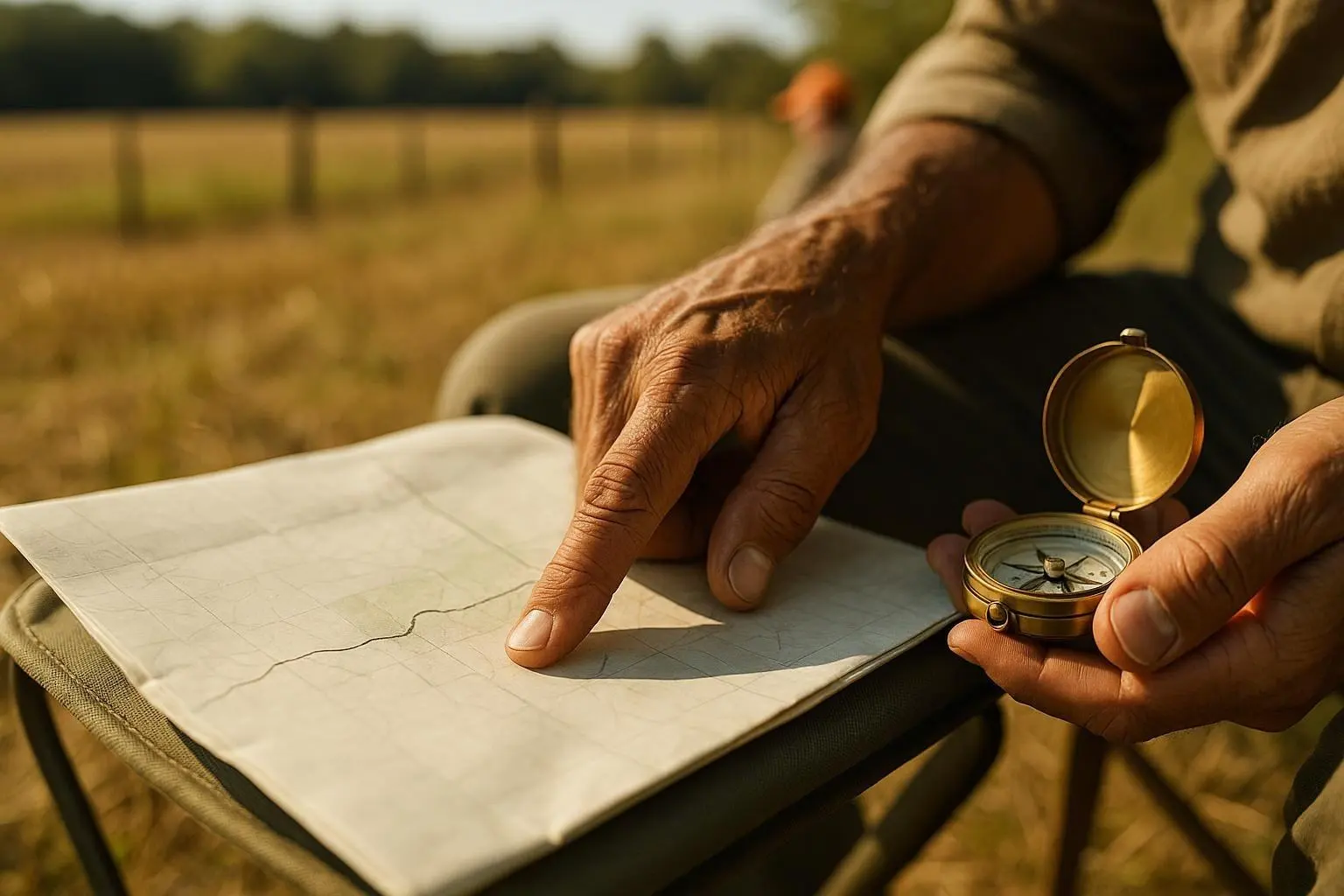
A guide can place you on ground and still disappoint you if the plan does not match your ability, equipment or expectations. You may arrive with clothing that does not fit an exposed field discover that permitted ammunition differs from what you brought or learn that the advertised setup depended on conditions that changed overnight. Good guided dove hunt planning means asking questions confirming responsibilities and choosing a trip that fits how you want to hunt.
Start with the day you actually want
Before contacting an outfitter decide what success means to you. Is the priority relaxed time outdoors introducing someone to hunting a high-volume flight or instruction on field judgment and shot selection? Those goals may require properties and group sizes.
Be honest about your experience. Someone who shoots well at a range may still need help with crossing birds movement around other hunters or recognizing when a bird is too far for a responsible shot. A good guide should discuss these details without making the day feel like a test.
Ask how the hunt is structured: when hunters arrive how positions are assigned how long the group stays in the field and what happens if weather or bird movement changes the plan. No one controls migration, wind, heat or feeding patterns so look for a plan rather than a promise.
Ask questions that reveal the plan
Understand what is included what you must bring and which decisions remain yours. Useful questions for hunting guides include:
– Where will the group hunt and how are positions spaced for shooting?
– What experience level and group size suit the setup?
– What should I bring for shade, water, seating, clothing, eye and ear protection and cleaning birds?
– Which firearm, ammunition and shot type are permitted under local rules and property policies?
– Will the guide coach hunters on safe lanes, identification and shot selection?
– What happens if weather, access or bird activity makes the original location unsuitable?
– Who handles field care, transport and reporting requirements for harvested birds?
The point is to turn assumptions into an agreed plan not to interrogate someone trying to help. If the answer is simply "Bring a gun. Show up " you may be buying access without the preparation or oversight you expected.
Match access, comfort and cost to the hunter
The cheapest option is not always the best value and an elaborate arrangement may be unnecessary. Familiar ground can suit a hunter with personal equipment. A newer hunter, visitor or parent bringing a child may value instruction, shade, seating, simple logistics and a smaller group more than extra hours in the field.
Ask about conditions rather than requesting a guarantee. Is the ground open and sunny, brushy and uneven or likely to require walking between vehicles and stands? Can someone with mobility reach the assigned position? Are rest breaks ? These details affect comfort, safety and enjoyment more than language.
Common mistakes include booking for a party without confirming that everyone will hunt in the same area assuming transportation is available on private ground and treating a stated bag limit as an expected result. Confirm the experience in writing. Judge the arrangement by fit, not an optimistic outcome.
Prepare for conditions not the brochure
Dove hunting preparation should begin with weather and equipment checks. Choose layers sturdy footwear suited to the terrain, water, sunscreen insect protection and a way to carry spent shells and personal rubbish. Eye and hearing protection are sensible when several hunters are shooting nearby.
Practice the shots you're likely to take while emphasizing control. If you are uncertain about lead mounting the gun or stopping the swing safely ask whether the guide provides instruction or consider a lesson before the trip. Do not use the morning in an unfamiliar field to discover that equipment does not fit or a chosen load is not allowed.
Confirm firearm transport, storage and unloading expectations before arrival. Keep the action open when directed follow the guides commands. Never swing across people, roads, buildings or livestock. A confident guide should welcome questions about zones.
Put regulations and ethics on the checklist
Dove hunting regulations can vary by jurisdiction, season, species, shooting hours, licenses, stamps, ammunition, possession limits, tagging and reporting duties. Requirements may also differ between private land. Verify information through the relevant wildlife agency or another official source before leaving home; do not rely solely on an old message or a previous seasons memory.
Ask who is responsible for each obligation. A guide may explain practice but the hunter generally remains responsible for required licenses and applicable rules. Clarify identification of birds, retrieval expectations, shooting boundaries and what happens when a wounded bird lands beyond the property line.
Ethical dove hunting means passing on shots that're too distant, poorly angled or unsafe even when birds are moving well. Make an effort to retrieve downed birds keep only what can be properly cared for and stop when fatigue affects judgment. A guide who encourages restraint offers an experience than one who measures the day only by action.
Make conservation part of the booking decision
Ask how the property is managed how field edges and water sources are treated and how waste, shells and harvested birds are handled. You do not need a lecture on habitat management. You should see evidence that the operation respects the land and resource.
Be cautious of arrangements involving baiting, trespass, unsafe crowding or pressure to ignore practices. If a locations legality is unclear pause the booking. Seek clarification from the appropriate wildlife authority. Walking away is better than turning a day into a legal or ethical problem.
Before confirming send one written summary covering the date meeting point, group size, equipment, terrain, included services, cancellation or weather procedure and your responsibilities, for licenses and regulations. Save the reply. This record prevents misunderstandings. Exposes gaps while there is still time to resolve them.
The best choice is rarely the promise of the birds. It is a plan, competent safety culture, honest communication and a setting where legal and ethical decisions remain easy to make. That is what turns a booking into a hunt worth repeating.